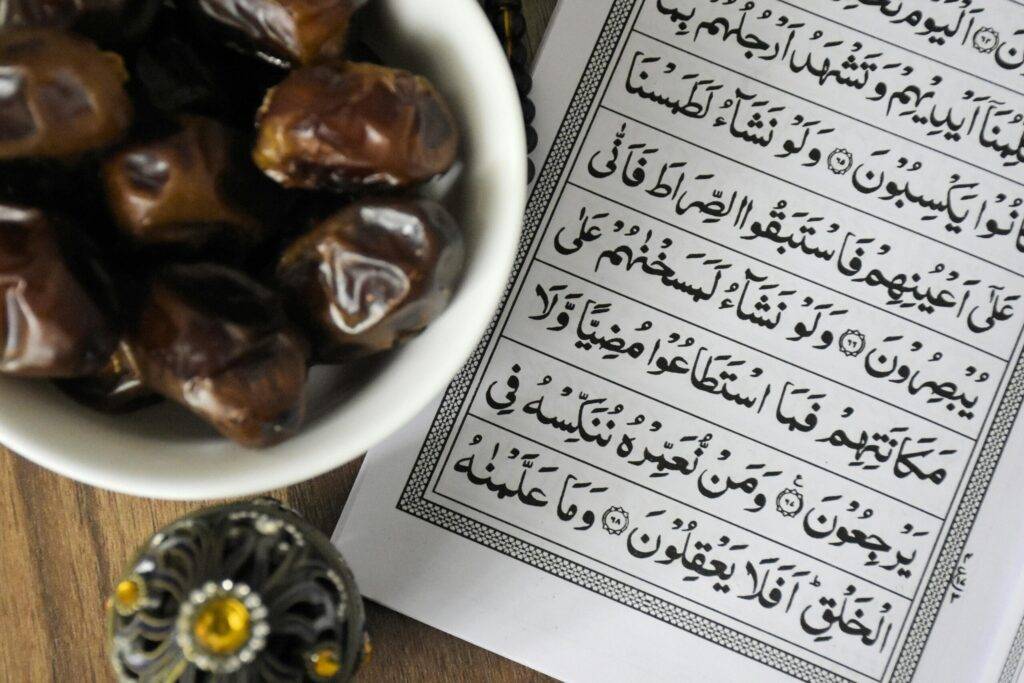
Among the numerous awesome Prophets in Islamic convention, Prophet Ibrahim (Abraham), peace be upon him, holds an especially honored status. Venerated as the “Father of the Prophets,” Ibrahim’s immovable confidence, accommodation, and eagerness to give up everything for the purpose of Allah serve as a foundational illustration for Muslims around the world. No place is this bequest more distinctively recollected and celebrated than amid Eid al-Adha, the Celebration of Give up.
Eid al-Adha isn’t just a celebration with rituals and feasts—it could be an otherworldly commemoration of Ibrahim’s preeminent test of confidence. Through his story, Muslims are reminded of the quintessence of accommodation, commitment, and belief in Allah. This article investigates how Prophet Ibrahim’s give up got to be the foundation of Eid al-Adha and why his bequest proceeds to motivate millions nowadays.
Ibrahim (AS): The Demonstrate of Accommodation
From a youthful age, Prophet Ibrahim stood out for his profound understanding and dismissal of excessive admiration. He was born into a society that adored icons, counting his claim father, who was a conspicuous idol-maker. However Ibrahim addressed the rationale of such adoration and, through reflection and divine direction, came to the truth of Tawheed (the Unity of Allah).
His intensity in challenging falsehood—even being tossed into a blasting fire by his claim people—marked the starting of a life of trials and immovable confidence. Allah spared him from the fire, a supernatural occurrence that illustrated divine favor and encouraged Ibrahim’s status as a committed worker.
“Indeed, Abraham was a [comprehensive] pioneer, sincerely submissive to Allah, slanting toward truth, and he was not of those who relate others with Allah.”
(Surah An-Nahl 16:120)
Read More: Dhul-Hijjah’s First 10 Days: Why They Outweigh Ramadan in Rewards
The Extreme Test: The Command to Give up His Child
Maybe the foremost well-known and profoundly typical occasion in Prophet Ibrahim’s life was the divine command to give up his child. This story, known as the Give up (Al-Dhabh), is the heart of Eid al-Adha.
The Dream
Ibrahim saw a dream in which he was commanded to give up his child. As the dreams of the Prophets are considered divine disclosures, Ibrahim caught on this to be a command from Allah.
“Then, when (his child) come to the age of (genuine) work with him, he said:
‘O my child! I have seen in a dream that I must sacrifice you, so let me know what you think.’ He said: ‘O my father! Do as you’re commanded. You’ll discover me, in the event that Allah wills, of the steadfast.’”
(Surah As-Saffat 37:102)
Faithful Submission
Both father and child appeared to have an unmatched level of accommodation and believe. Ibrahim did not falter, and his son—often distinguished in Islamic convention as Ismail (AS)—accepted the divine proclamation with tranquility and tolerance.
As they arranged for the give up, Allah, seeing their truthfulness and accommodation, interceded.
“And We emancipated him with a great sacrifice.”
(Surah As-Saffat 37:107)
Rather than his child, Allah sent a slam to be yielded. This act of substitution built up the custom of Qurbani (give up), which Muslims around the world commemorate each year amid Eid al-Adha.
Alif Arabic Courses: Quranic Arabic
Eid al-Adha:The Celebration of Give up
Eid al-Adha, which takes put on the 10th of Dhul-Hijjah, the ultimate month of the Islamic calendar, is celebrated by Muslims around the world. It coincides with the perfection of the Hajj journey, particularly the day after pioneers total the significant custom of standing on the fields of Arafah.
At its center, Eid al-Adha could be a celebration of compliance, accommodation, and divine mercy—all of which are encapsulated within the story of Ibrahim and Ismail.
The Custom of Qurbani (Give up)
Each able Muslim who can bear it is encouraged to offer a sacrifice—typically a sheep, goat, bovine, or camel—as a way to take after Ibrahim’s case. The act isn’t only typical but a reflection of otherworldly filtration and appreciation.
“It is not one or the other their meat nor their blood that comes to Allah, but it is devotion from you that reaches Him.”
(Surah Al-Hajj 22:
37)
The meat from the give up is partitioned into three parts:
- One-third for the family.
- One-third for relatives and companions.
- One-third for the destitute and penniless.
The Lessons from Ibrahim’s Give up
The story of Prophet Ibrahim’s giving up isn’t a historical anecdote. It could be a living lesson that echoes over eras. Here are a few of the key otherworldly and ethical lessons it confers:
1. Total Accommodation to Allah
Ibrahim’s quick reaction to Allah’s command—despite its difficulty—demonstrates what it implies to completely suffer the will of Allah. It appears that confidence isn’t hypothetical; it is demonstrated through activities, particularly in minutes of trial.
2. Believe in Divine Intelligence
Indeed when the command showed up annihilating, both Ibrahim and Ismail trusted that Allah’s shrewdness was predominant. This educates Muslims to believe Allah, indeed when the reasons behind divine commands may not be completely caught on.
3. Relinquishing What We Cherish
The story reminds devotees that now and then, we must grant up what we hold expensive for the purpose of our Maker. Whether it is riches, time, wants, or status—true confidence frequently requires sacrifice.
4. The Part of Family in Confidence
Ibrahim did not constrain his child. Instep, he included him within the choice, appearing to have a significant level of shared regard and otherworldly development. Ismail’s reaction uncovers how profoundly confidence can be established in families when sustained legitimately.
5. Allah’s Benevolence and Compensate
When Ibrahim was approximately to fulfill the command, Allah mediated. This appears that Allah does not want hardship, but or maybe, He tests His hirelings to raise their positions and after that rewards them with leniency and ease.
Ibrahim’s Broader Bequest in Islam
The importance of Prophet Ibrahim amplifies past Eid al-Adha. His title and bequest are woven all through Islamic conviction and hone.
1. He Built the Kaaba
Nearby his child Ismail, Ibrahim was chosen by Allah to build the Kaaba, the sacrosanct house in Mecca:
“And [say] when Abraham was raising the establishments of the House and [with him] Ishmael, [saying], ‘Our Master, acknowledge [this] from us.’”
(Surah Al-Baqarah 2:127)
This sacrosanct structure is the otherworldly center of the Muslim world, toward which each Muslim turns in supplication.
2. He Is Honored in Every day Supplication
Muslims send peace and endowments upon Prophet Ibrahim each day in their Salah (every day supplications) amid the ultimate parcel known as the Tashahhud:
“O Allah, send gifts upon Muhammad and upon the family of Muhammad, as You sent gifts upon Ibrahim and upon the family of Ibrahim…”
This appears the interminable veneration managed to him in Islamic convention.
3. The Hajj Customs Reflect His Life
A few customs of Hajj straightforwardly reflect occasions from Ibrahim’s life:
- Tawaf (circumambulation) of the Kaaba, which he built.
- Sa’i between Safa and Marwa, reviewing Hajar’s (Ibrahim’s spouse) hunt for water.
- Stoning of the fallen angel at Mina, commemorating Ibrahim’s dismissal of Shaytan amid the trial.
- The give up, speaking to his most noteworthy act of accommodation.
Ibrahim’s Illustration for Today’s Muslims
In a world filled with diversions, realism, and ethical perplexity, the story of Prophet Ibrahim stands as a reference point of clarity and reason. Here are many ways present day Muslims can draw from his case:
1. Restore Individual Give up
Whether it’s waking up early for Fajr, giving up illegal salary, or relinquishing time to serve others, devotees must be willing to prioritize Allah over common enticements.
2. Maintain Family Confidence
Ibrahim’s relationship with his family—based on exchange, shared confidence, and common respect—offers a show for supporting Islamic values at home.
3. Believe in Times of Trial
Ibrahim’s life was filled with hardships, but he remained enduring. Muslims nowadays are reminded to stay confident and understanding, trusting Allah’s arrangement, indeed when challenges appear inconceivably.
Conclusion:
A Living Bequest
Eid al-Adha is more than just a custom or social festivity—it may be a living tribute to Prophet Ibrahim’s bequest of confidence, submission, and give up. His life exemplifies the quintessence of Islam:
total accommodation to the will of Allah, indeed within the confront of the foremost troublesome trials.
By reenacting his story through the give up of a creature, Muslims over the world reaffirm their possess commitment to confidence. More critically, they are reminded that genuine devotion is not almost the custom itself, but the soul of yield and truthfulness behind it.
As the Qur’an instructs us: “Indeed, this was the clear trial. And We delivered him with an extraordinary give up. And We cleared out for him [favorable specify] among afterward eras:
Peace be upon Abraham.” (Surah As-Saffat 37:106–109)
Let this Eid al-Adha be a minute not as it were of celebration but of reflection, appreciation, and reestablished dedication. Let us walk within the strides of Prophet Ibrahim and endeavor to encapsulate the same soul of give up and accommodation that made him a companion of Allah.